
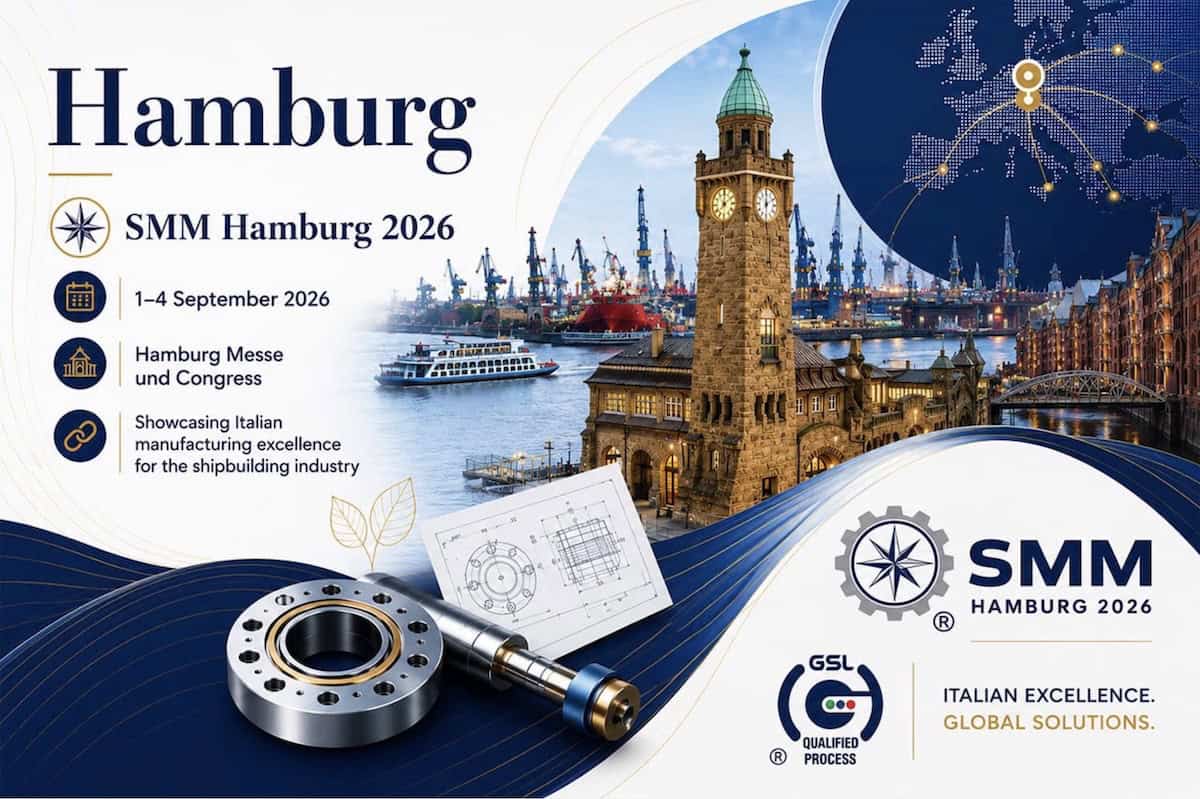
SMM Hamburg 2026 represented an important opportunity for companies, operators and institutions working within the international maritime and shipbuilding supply chain to meet. Through the exhibition, B2B meetings and side events, the trade fair brought together manufacturing expertise, technologies and requirements from different markets.
Within this context, GSL EXPORT also took part in the event, attending SMM Hamburg on 2 and 3 September with activities focused on developing relationships between the Italian industrial subcontracting system and international operators.
The two-day experience provides an interesting overview of the complexity that characterises the sector today: from propulsion and transmission systems to machining and metal fabrication, as well as electrical and thermal systems and technologies related to emissions reduction.
Two days dedicated to meetings between companies
During its time in Hamburg, GSL EXPORT engaged with 22 international companies and institutions through meetings and discussions held over the course of the two days.
Some of the contacts established also led to further follow-up discussions, confirming how an international trade fair can represent not only a networking opportunity, but also the starting point for new technical and commercial relationships.
The variety of meetings reflects the complexity of the ecosystem surrounding the shipbuilding sector.
The areas represented included propulsion systems and propellers, technical lighting and electrical systems, transmissions and gearboxes, foundry operations, forging, machining, metal fabrication, research and consultancy, thermal systems and emissions-treatment technologies.
The meetings involved operators from different European and non-European markets, confirming the strongly international nature of the relationships that characterise the shipbuilding supply chain.
A supply chain requiring highly diverse manufacturing expertise
One of the most interesting aspects to emerge from the Hamburg experience was the wide range of manufacturing processes discussed during the technical meetings.
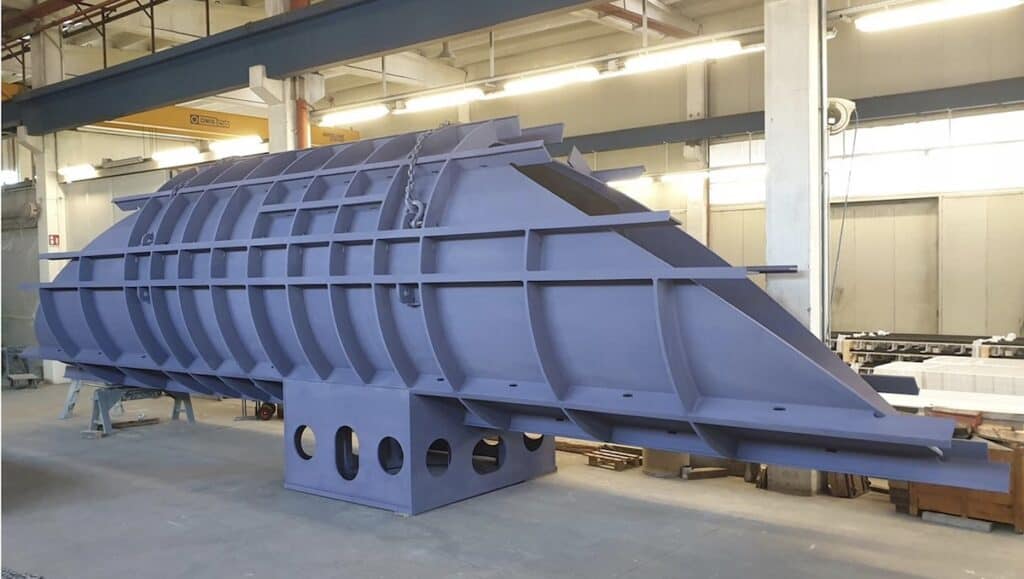
The discussions covered requirements relating to steel, cast iron and brass castings, forgings, precision machining, light and heavy metal fabrication, large-scale machining, plastic and rubber moulding, custom-made components produced to drawing, gears and toothed wheels, die casting and sheet metal deep drawing.
The variety of requirements highlights just how complex the supply chain involved in the production of ships, propulsion systems and equipment for the maritime sector can be.
Alongside large-scale manufacturing processes, there is also significant demand for highly specialised production, precision components and custom-made parts manufactured according to technical drawings.
For many industrial applications, the challenge is not simply to purchase a standardised product, but to identify suppliers capable of working according to technical specifications defined by the customer, while ensuring quality, precision, reliability and the ability to adapt to the characteristics of each project.
From propulsion systems to technical lighting
The meetings held during SMM highlighted a broad range of manufacturing requirements.
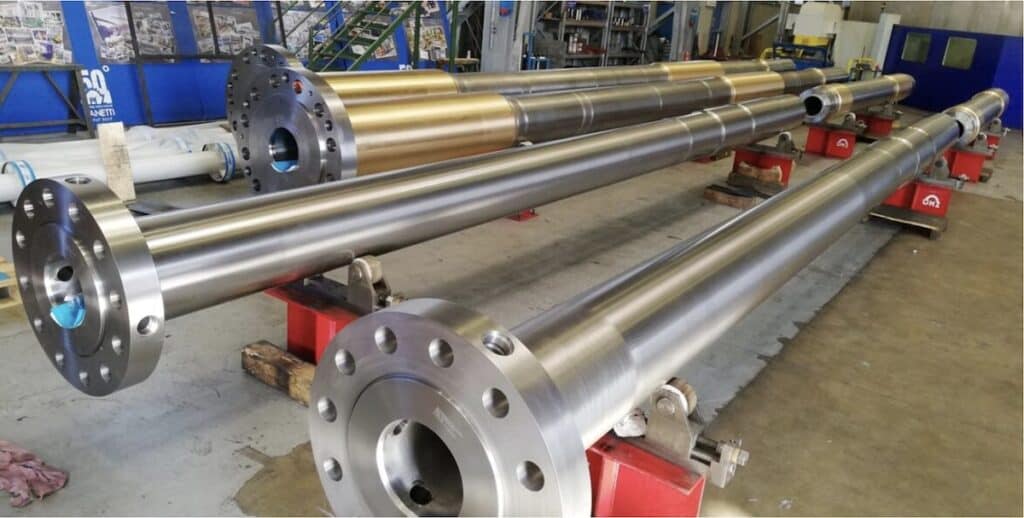
In the marine propulsion sector, for example, discussions focused on machined castings, CNC machining, forged components, shafts and large-scale machining operations.
In the transmission sector, requirements included gears, bevel gear pairs, toothed wheels and mechanical components.
Other meetings focused on light and heavy metal fabrication, while in the technical lighting sector discussions covered applications involving die casting, sheet metal deep drawing and other manufacturing processes intended for marine environments.
More than the individual meetings themselves, what stands out is the diversification of manufacturing requirements: within the same sector, supplies can vary greatly in terms of materials, dimensions, technologies used and degree of customisation.
This characteristic makes the ability to connect specific industrial requirements with companies offering the most suitable manufacturing expertise particularly important.
An increasingly international supply chain
Another key aspect to emerge during the days in Hamburg was the growing international dimension of the supply chain.
The contacts developed were not limited to the European market, but also involved operators from non-European countries interested in establishing new industrial relationships and identifying specialised manufacturing expertise.
From this perspective, major international trade fairs perform a role that goes beyond simply bringing together an individual supplier and a potential customer.
They can help connect manufacturing systems belonging to different markets, creating the conditions for new relationships between companies, supply chains and territories.
For industrial SMEs, access to new markets often depends precisely on building local relationships, understanding the requirements of different stakeholders and gaining knowledge of their respective supply chains, even before a specific commercial negotiation begins.
Decarbonisation, digitalisation and automation among the emerging themes
Alongside more immediate manufacturing requirements, some of the meetings also drew attention to the transformations currently affecting the maritime sector.
Key topics included decarbonisation, digitalisation and the automation of systems and engines, together with the development of thermal solutions and technologies designed to reduce and treat emissions.
These transformations do not concern shipowners, shipyards and manufacturers of complete systems alone.
Industrial subcontractors must also progressively address new technologies, new technical specifications and continuously evolving production standards.
The ability to adapt to these changes therefore becomes an issue affecting the entire supply chain, involving both large industrial organisations and companies specialising in individual stages of production.
SMM Hamburg 2026, a vantage point on the international shipbuilding supply chain
Above all, the September experience provides a snapshot of a broad and diversified international shipbuilding supply chain, bringing together manufacturers of complex systems, specialised companies, subcontractors, consulting firms, research institutes and operators involved in the development of new technologies.
The participation of GSL EXPORT helped connect the expertise of the Italian industrial subcontracting sector with manufacturing and technological requirements expressed by operators from different international markets.
Castings, forgings, metal fabrication, machining, gears, moulding and custom-made components manufactured to drawing represent just some of the processes involved in the discussions initiated during the event.
SMM Hamburg therefore confirms its role not only as an exhibition venue, but also as a meeting point for different segments of the maritime supply chain, where industrial relationships, technical requirements and technological transformation can be addressed within the same context.
To get a quick overview of the event and relive some of its key moments, watch the video recap of SMM Hamburg 2026 on YouTube.