
Mechanical failures, human error, fire incidents, and extreme weather conditions remain the most frequent causes of superyacht insurance claims.
More recently, however, cyber risk and lithium battery-related fires have emerged as significant new threats, with small oversights able to escalate into multi-million-euro losses.
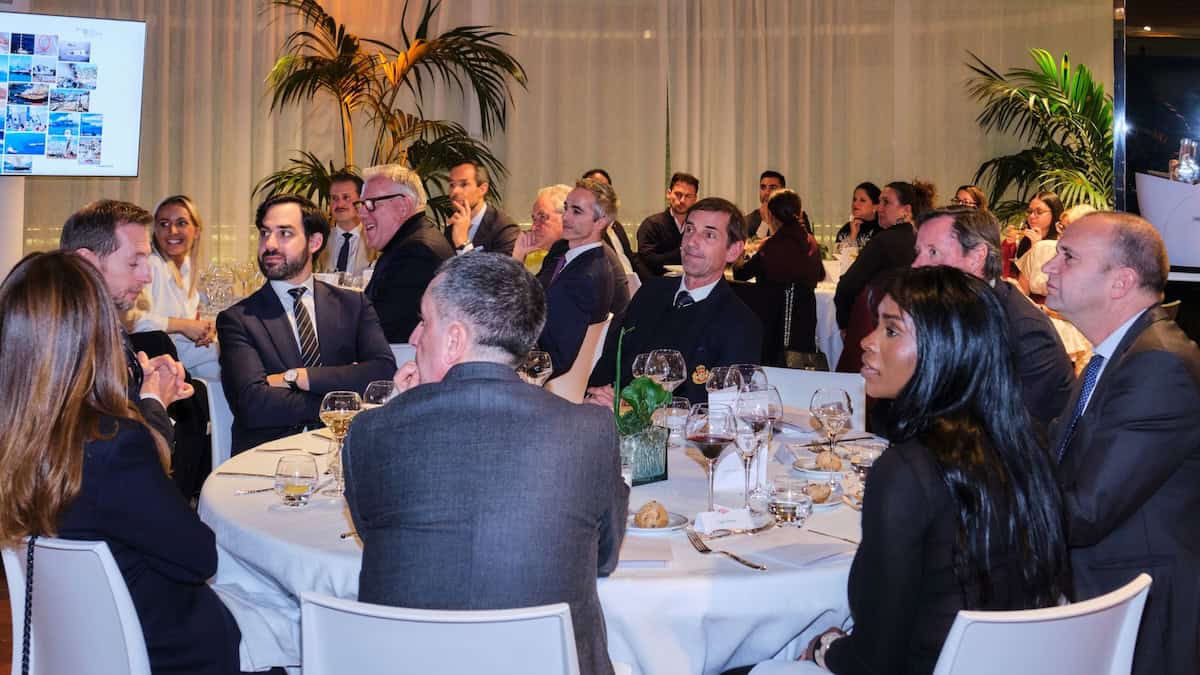
Those are the findings of a conference held at the Yacht Club de Monaco which bought together leading figures from the superyacht insurance and risk management sector.
The conference heard how large losses have often involved engine room fires, collisions during maneuvers, and total loss events, prompting the industry to improve safety protocols, enhance maintenance regimes, and apply stricter risk assessment processes.
Growing importance of client education
Discussions revealed that underwriting capacity for large yachts remains available but is becoming increasingly selective.
Loss ratios over recent years have forced insurers to tighten terms, raise premiums, adjust deductibles, and introduce new exclusions.
Underwriters and brokers emphasised the growing importance of client education, particularly regarding realistic expectations, contractual clarity, and proactive loss prevention measures.
One key focus was the need for prevention, training and innovation with captains and yacht managers encouraged to strengthen safety cultures on board, prioritise regular maintenance, and integrate digital monitoring tools into onboard life.
Increased transparency
AI-powered systems, telematics, and predictive maintenance technologies were highlighted as transformative tools that could reduce claim frequency and improve early detection of risk factors.
However, the conference did hear that owners and captains today are more aware and engaged in risk prevention than five years ago, partly due to increased transparency and the educational role played by insurers.
Active risk management
The evening reinforced the idea that modern yacht insurance is no longer just about indemnity, but instead it is about partnership, knowledge sharing, and active risk management.
As vessels grow in size, complexity, and technological sophistication, insurers, surveyors, experts, and managers must work hand-in-hand to support safer and more sustainable yachting.
The conference was organised by Jutheau Husson Yachting, with speakers from Tide Insurance, Norwegian Hull Club and Mare Marine Experts also taking part.