
South Korean based hydrogen fuel cell company Vinssen has formed an exclusive partnership with ILDO F&C to co-develop next-generation composite bipolar plates engineered for high-performance hydrogen applications.
The collaboration combines Vinssen’s experience in fuel cell system integration and stack engineering with ILDO F&C’s carbon composite manufacturing capabilities.
Together, the companies say they aim to deliver lightweight bipolar plates with superior corrosion resistance, customised surface engineering options, and durability without the need for conductive coating.
“This cooperation strengthens Vinssen’s ability to advance hydrogen system technology across the full value chain,” explained Chilhan Lee, CEO of Vinssen.
“Our long-term vision includes extending this technology beyond marine applications into aviation and power-to-X industries.”
This cooperation strengthens Vinssen’s ability to advance hydrogen system technology across the full value chain.
Chilhan Lee
The companies say key advantages of the new plates will include lower tooling costs, enhanced operability through hydrophilic/hydrophobic options, resistance to degradation caused by metal-ion leaching, and weight reduction.
Seonghwa Cho, CEO of ILDO F&C, added: “Our composite technologies deliver clear performance and cost advantages.
“Partnering with Vinssen positions us to accelerate adoption across global hydrogen mobility markets.”
Hydrogen fuel cell-based electric propulsion system
The partnership follows on from an announcement in November of the full-scale introduction of hydrogen fuel cell-powered passenger ships in South Korea as part of a local carbon neutralisation fund project to decarbonise the shipping industry.
The core technology, a hydrogen fuel cell-based electric propulsion system which uses PEM (polymer electrolyte membrane) technology to use hydrogen as its energy source, is being supplied by Vinssen.
Vinssen also recently announced RINA type approval for its 150kW stack.
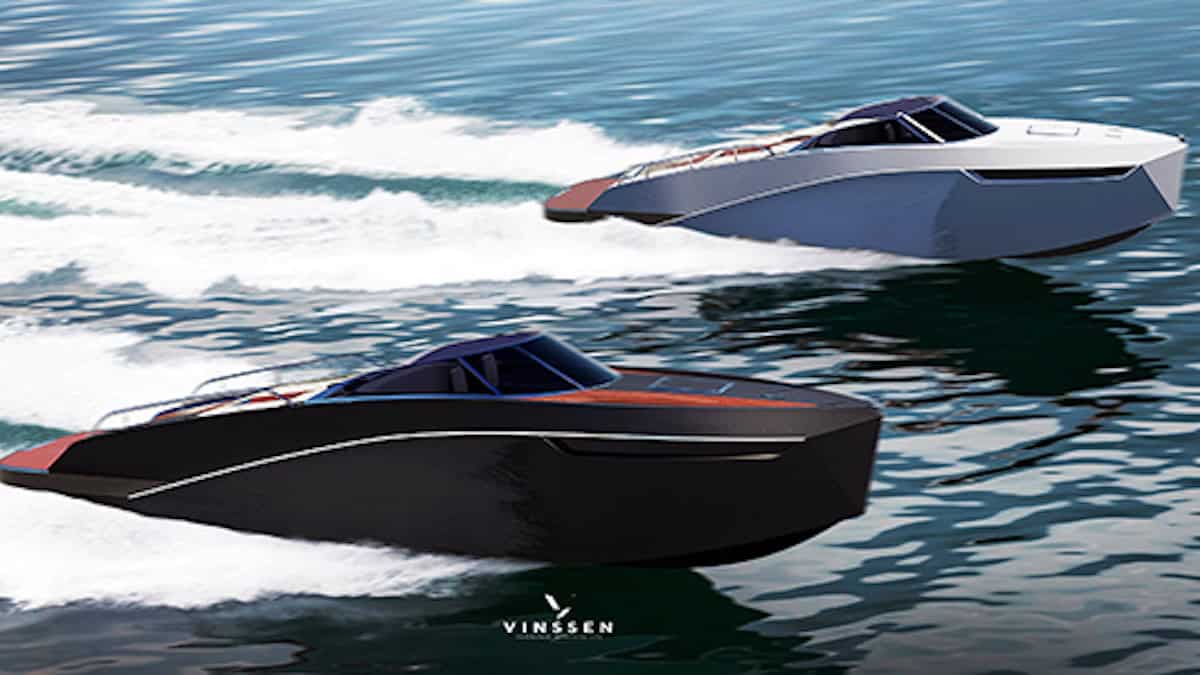
In late 2024, construction of Vinssen’s 17.4 metre leisure boat began with its propulsion system incorporating hydrogen fuel cells and high-voltage batteries developed by the technology company.