
European boating licence recognition has moved a step closer with the European Parliament’s adoption of the resolution on the future of the EU Tourism Strategy.
The resolution includes a series of priorities relevant for nautical tourism with the Parliament recognising that the rise of specialised tourism, including ‘nautical’ tourism, creates new opportunities for peripheral, rural and outermost regions.
The resolution also recognises that ‘the growth of specialised tourism requires support through investment in the necessary infrastructure’.
The adopted report also calls on the Commission to follow up on a study assessing the advantages and drawbacks of a possible mutual recognition of boating licences for recreational boat operators.
Nautical tourism and the blue economy
The regulatory measure would facilitate the mobility of approximately 48 million European boaters and support nautical tourism and the blue economy, points out the European Boating Industry (EBI).
This is a direct response to one of the most persistent barriers boaters and boating businesses face in Europe, says the EBI.
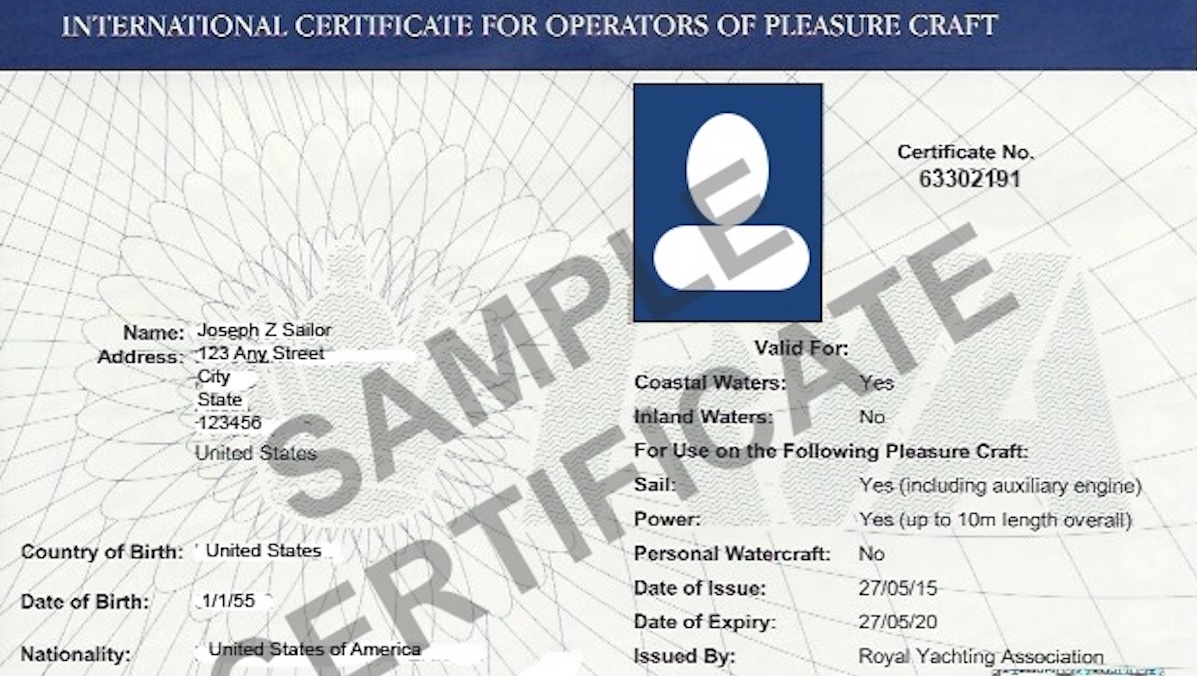
Currently, while the International Certificate of Competence (ICC), is widely recognised as a standard for operating pleasure craft in European inland and coastal waters, recreational boating licenses in Europe are not unified and rules vary by country.
“The report reflects key EBI priorities: better cross-border mobility for boaters, support for the energy transition and recognition of boating as part of Europe’s cultural heritage,” said Philip Easthill, EBI secretary-general.
Leisure boats and sustainable fuels
“These are big wins for our industry and for the many coastal, island, inland waterway and outermost communities that depend on it.”
The report also strengthens recognition of the boating sector in the clean transition, stating that support for sustainable fuels in waterborne transport should include the existing fleet of leisure boats.
In addition, the report states that future EU funding for intangible heritage should support cultural traditions ‘from maritime and nautical practices such as sailing’ and craftsmanship.
The EBI pointst out that this is an important acknowledgement that boating and sailing are not only economic activities, but also part of Europe’s living heritage and identity.
Easthill concluded: “This is a strong result for the boating and nautical tourism sector. The European Parliament has recognised that nautical tourism belongs at the centre of European tourism, connectivity and sustainability agenda.”