
A new maritime safety initiative has been launched to establish NL-VDS (Navigation Light Visual Distress Signal) as a global standard for vessels equipped with navigation lights.
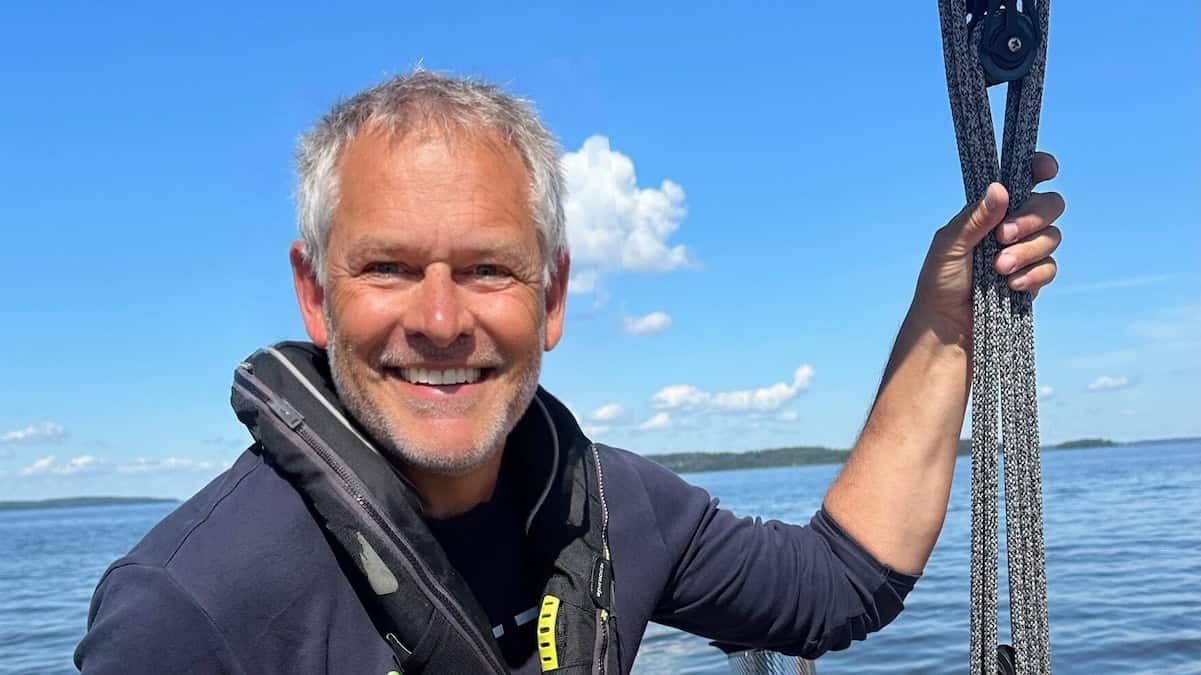
The initiative, launched by sailracer Peter Westh, introduces a new method for visually identifying boats in distress, addressing a critical gap in modern search and rescue (SAR) operations.
He explained that in recent years, maritime safety has seen significant advances in digital distress alerting, with technologies such as smart phones, DSC and satellite-based systems enabling accurate and reliable transmission of a vessel’s GPS position.
However, Peter points out that once rescue units or nearby vessels arrive in the search area, identifying the vessel in distress remains a challenge, particularly in areas with multiple boats.
Safety risks
“Traditional visual distress signals such as flares and handheld devices are short lived, require manual deployment and can present safety risks if mishandled,” he said.
“In a distress situation, crews are also often exhausted, stressed and it may be too difficult and risky to be on deck.
“NL-VDS addresses this gap by enabling a vessel’s existing navigation lights to be transformed into a continuous long lasting visual distress signal through a simple activation.”
He added: “By building on this visual system, NL-VDS provides immediate and unmistakable identification without requiring additional equipment or active handling on deck.”
Development of a global standard
The system is currently in a development and validation phase, testing real-world recognition in collaboration with SAR stakeholders and ensuring compatibility with existing COLREGS.
The initiative aims to complement existing visual distress signal and positioning systems, with the long-term ambition to support the development of a global standard aligned with existing maritime regulations and practices.
“Every second counts in a search and rescue situation,” concluded Peter.
“If we can remove uncertainty and make a vessel in distress instantly recognisable, we are convinced that this will save lives.”
NL-VDS has received patents in Sweden and the US, with additional patent applications pending in Europe.